

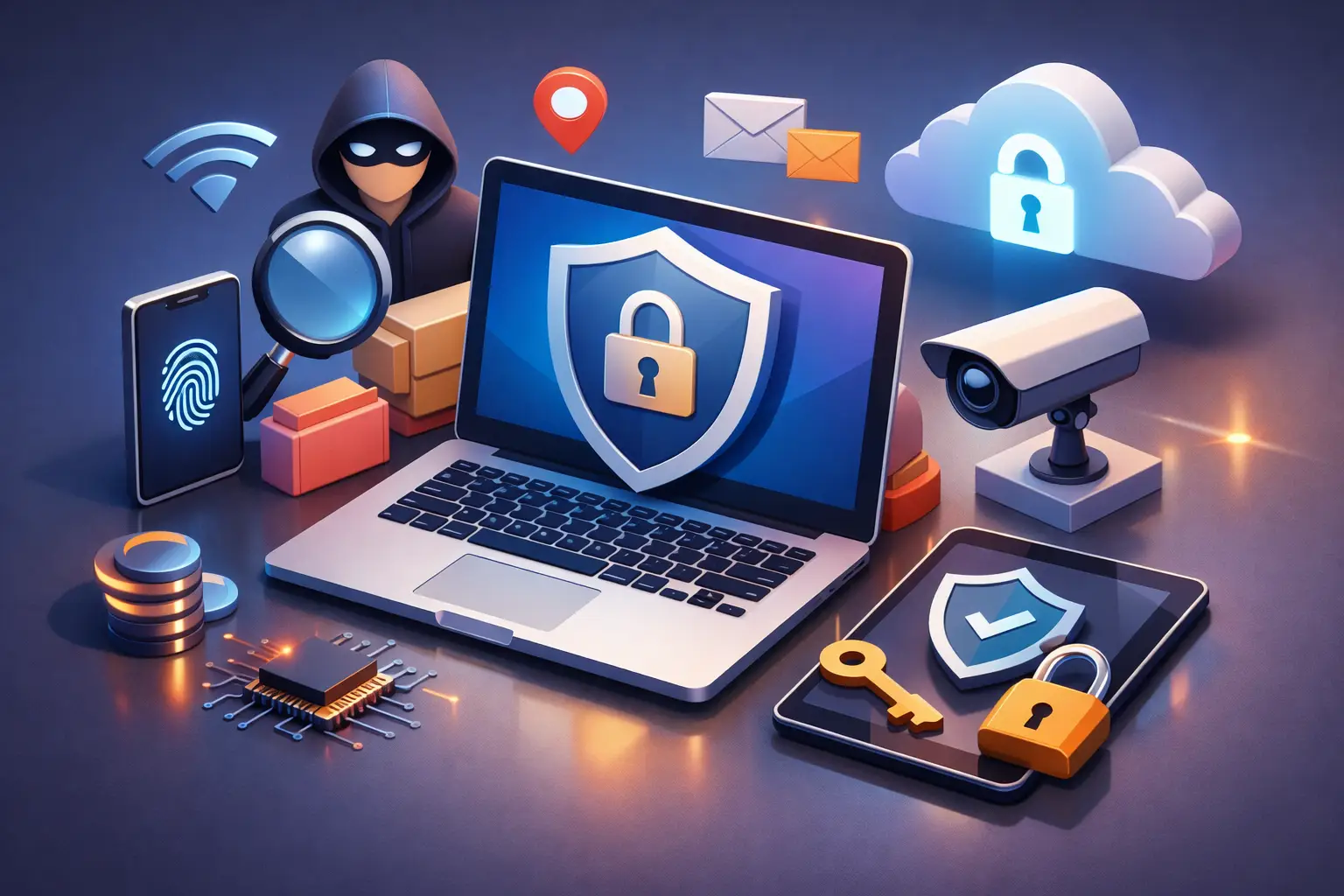
A coffee shop login, a hotel Wi-Fi password, a quick tap to accept cookies – most privacy risks do not feel dramatic when they happen. That is exactly why the question why is online privacy important matters so much. The biggest threats online rarely start with a major hack. They start with small pieces of your data being collected, tracked, shared, and exposed until someone else knows more about your life than they should.
Online privacy is not about hiding something shady. It is about keeping control. Control over your identity, your finances, your location, your work, your conversations, and your habits. When that control slips, the effects show up fast – targeted scams, account takeovers, higher exposure on public networks, manipulated ads, and a digital footprint that keeps growing long after you have forgotten where it began.
Why is online privacy important for everyday life?
For most people, privacy becomes real the moment convenience turns into risk. You sign into a banking app at the airport. You answer work emails from a shared network. You search for health information, legal help, or personal problems you would never want tied to your name. None of that is unusual. All of it is sensitive.
Without strong privacy, everyday internet use becomes a constant trade. You get speed and access, but in return, platforms, data brokers, advertisers, network operators, and bad actors may collect details about what you do, where you are, what device you use, and what matters to you. That information can be used to sell to you, influence you, profile you, or target you.
This is where many people underestimate the issue. Privacy is not only about the data you intentionally share. It is also about metadata – the patterns around your activity. When you connect, how long you stay, what region you are in, what services you use, and how often you return can reveal a surprising amount. Even when the content of your messages is protected, your behavioral trail can still be valuable to others.
Privacy protects more than your identity
Identity theft is one reason privacy matters, but it is far from the only one. Your online privacy also protects your financial security, your professional reputation, and your personal freedom.
If you work remotely, privacy failures can expose client files, credentials, internal communication, or business activity. For freelancers and small teams, that kind of leak is not just embarrassing. It can cost contracts and trust. For students, privacy gaps can reveal academic records, research activity, or account details on shared networks. For travelers, they can expose location patterns and leave you vulnerable on unfamiliar connections.
There is also the issue of context. Information that seems harmless on its own can become risky when combined with other data. Your email address, a password reused from another site, your current location, and your browsing habits may not sound catastrophic separately. Put them together, and they become useful to scammers, trackers, or anyone trying to build a profile around you.
That is one of the strongest answers to why online privacy is important. Data gains power when it is connected. The more pieces others collect, the less private your life becomes.
Surveillance changes how people behave
Privacy is not only about protection from crime. It is also about freedom.
When people believe they are constantly being watched, tracked, or analyzed, they start to self-censor. They search less openly. They communicate more cautiously. They hesitate before reading, learning, or expressing something personal, unpopular, or sensitive. That change is subtle, but it matters.
A private internet gives people room to think, explore, and communicate without pressure. That matters for journalists, activists, researchers, and professionals handling confidential work. It also matters for ordinary users who simply do not want every click turned into a profile.
This is where the conversation gets more nuanced. Total anonymity is not always realistic, and many online services do require some level of data sharing to function well. Navigation apps need location data to provide directions. Streaming services use preferences to improve recommendations. Security systems sometimes need device information to detect fraud. Privacy is not about refusing every data exchange. It is about making that exchange limited, intentional, and proportionate.
Public Wi-Fi is convenient – and exposed
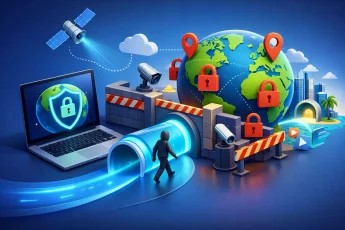
One of the fastest ways to lose control of your privacy is to treat public internet like private internet. Airports, cafes, hotels, coworking spaces, and campus networks make it easy to connect, but they also create more opportunities for interception, spoofing, and careless exposure.
Even when a network appears legitimate, you often have no idea who operates it, how it is secured, or who else is connected. That uncertainty matters if you are checking financial accounts, sending documents, logging into work platforms, or syncing personal data.
For people who move between devices, the risk expands. A phone, laptop, and tablet may all touch the same open network. If one connection is weak, the whole chain can become more vulnerable. That is why privacy tools that protect traffic consistently across devices matter so much, especially for travelers, remote workers, and users who rely on hotspot sharing to stay connected.
Why convenience alone is not enough
Many platforms are built to feel effortless. One-click sign-ins, saved payment methods, autofill, device syncing, and personalized feeds all remove friction. They also increase the amount of information stored about you.
Convenience is not the enemy. But convenience without boundaries creates dependency on systems that know everything from your shopping habits to your physical movement. If those systems are breached, monetized aggressively, or misused, the cost lands on you.
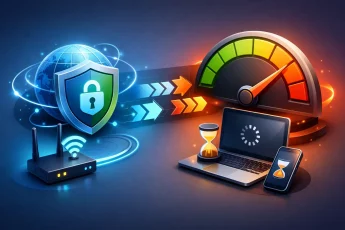
The smarter approach is not to reject digital convenience. It is to use services that give you security without making you sacrifice control. Strong encryption, secure connections, and privacy-focused access tools help reduce unnecessary exposure while keeping the internet usable. That balance matters because most people do not need more complexity. They need more confidence.
Online privacy is also about fairness
There is a business side to privacy that many users feel before they fully recognize it. Data affects what prices you see, what ads follow you, what content is shown to you, and sometimes even what opportunities appear in front of you.
Profiling can shape decisions in ways that are invisible. You may be shown different offers based on location, behavior, or assumed spending power. Search results and recommendations can narrow your view instead of expanding it. The more detailed the profile, the easier it becomes for companies and platforms to predict and influence your choices.
That does not mean all personalization is harmful. Sometimes it saves time. Sometimes it improves relevance. But there is a line between helpful customization and constant surveillance. Privacy gives users leverage. It limits how much others can decide about you before you even know it is happening.
The real answer to why is online privacy important
It matters because digital life is real life. The internet is where people work, study, bank, shop, message, travel, and relax. If privacy disappears there, it does not stay online. The consequences show up in your accounts, your career, your relationships, and your peace of mind.
For some users, the biggest concern is avoiding cybercrime. For others, it is protecting client communication, bypassing exposure on public networks, or keeping personal activity from being tracked across apps and sites. The exact priority depends on how you use the internet. The need for control does not.
That is why privacy tools have become less of a niche choice and more of a practical standard. A fast, secure VPN can reduce exposure, protect data in transit, and help users stay in control across devices and networks. For people who want protection without friction, that kind of coverage is not a luxury. It is basic digital self-defense. Services built around speed, security, and flexible protection – including options like shared secure hotspot coverage and simple multi-device use – fit how people actually connect now.
The internet works best when you can move through it with confidence. Not anxious. Not exposed. Not guessing who is watching. Privacy gives you room to work, browse, stream, and communicate on your own terms. Keep that control, and the web stays useful. Lose it, and every click starts costing more than it should.

Leave a Comment