


You buy data, then realize half your usage is happening across other devices, other people, or other moments that your plan never really accounted for. That is exactly why shareable VPN data packages matter. They turn protected internet access from a fixed, single-user setup into something far more useful – flexible, transferable, and built for the way people actually connect.
For a student splitting time between campus Wi-Fi, a phone hotspot, and a laptop, or for a freelancer managing work on the move, the old model feels rigid fast. One account. One device. One billing path. That may be fine for casual browsing, but it falls short when privacy and convenience need to travel together. Shareable VPN data packages answer that gap by giving users real control over where secure access goes and who can use it.
What shareable VPN data packages actually change
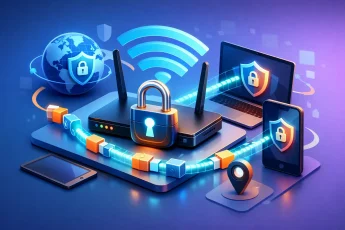
A standard VPN subscription usually focuses on device access. You sign in, connect, and protect that device’s traffic. That still matters, but it is only part of the picture. Real internet use is messier. People tether tablets from phones. They help family members get online safely. Small teams need protected access without setting up a full enterprise stack. Travelers bounce between hotel Wi-Fi, airport hotspots, and local carriers.
When VPN data becomes shareable, the product stops being locked to a narrow use case. It becomes a resource you can distribute based on what you need right now. That shift sounds simple, but it changes the buying decision in a big way. You are no longer paying only for personal access. You are paying for portable protection you can extend.
That matters because security habits are often inconsistent when access is inconvenient. If protecting a second device is annoying, many users skip it. If giving someone temporary secure access requires a brand-new account and setup flow, they may never bother. A shareable model reduces that friction.
Shareable VPN data packages for real-world flexibility
The strongest case for shareable VPN data packages is not theory. It is ordinary life.
A remote worker might need encrypted access on a laptop during the day, then use a phone hotspot to secure a tablet later. A parent may want to send protected data access to a college student who relies on public Wi-Fi. A traveler might use data heavily one week, then transfer part of a package to a partner on the next trip. A small creative team may need a practical middle ground between consumer simplicity and business-grade control.
In each case, the appeal is the same: the user decides where the protected bandwidth goes. That level of control is valuable because digital life rarely stays still.
There is also a budget angle. Fixed subscriptions can create waste when usage varies month to month or person to person. Shareable data packages can be more efficient if you know your needs shift often. Instead of overpaying for several separate plans, users can distribute data where it is needed most.
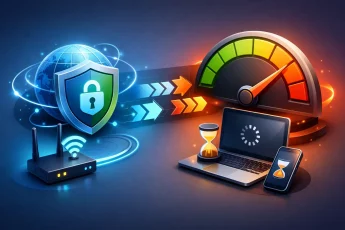
That said, flexibility is only useful if performance holds up. A shareable package attached to slow servers or unstable connections will not feel empowering for long. The concept works best when the VPN remains fast, reliable, and easy to use across changing conditions.
Who benefits most from shareable VPN data packages
Not every VPN user needs transferability. If someone uses one personal device at home on a stable private network, a basic plan may be enough. But many users live well beyond that narrow lane.
Freelancers and remote professionals benefit because work rarely happens in one place. They need privacy on cafe Wi-Fi, hotel networks, coworking spaces, and mobile hotspots. Shareable access lets them protect more of their workflow without starting from scratch every time.
Students are another strong fit. Their device switching is constant, and their network environments are unpredictable. One day they are on dorm Wi-Fi, the next they are tethering from a phone in transit. The ability to move protected data where it is needed makes practical sense.
Travelers gain even more. International movement adds geo-restrictions, spotty local connectivity, and a higher dependence on unfamiliar public networks. A shareable package can help cover multiple devices or even another traveler without forcing a complex setup.
Then there are small teams. They often need something more capable than a basic consumer VPN but do not want the overhead of a large corporate deployment. Transferable or distributable VPN data gives them room to operate with more freedom.
The privacy advantage is bigger than it looks
The obvious benefit is convenience. The deeper benefit is consistency.
People are more likely to stay protected when secure access is easy to extend. If your VPN can cover a hotspot session, a backup device, or another temporary user through a shared data package, there is less temptation to go unprotected. That matters because most privacy failures do not happen when people do not care. They happen when the secure option feels slower, harder, or too limited.
A flexible package can also support safer sharing habits. Instead of passing around passwords or reusing logins, users can distribute access more deliberately. That gives more control over how protected connectivity is used.
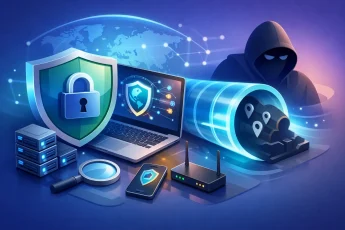
Still, there are trade-offs. Sharing data does not remove the need for strong account security, clear usage visibility, and trustworthy service design. If data is transferable but account controls are weak, convenience can create new risks. The best setup combines shareability with clear management, stable performance, and credible privacy standards.
What to look for in shareable VPN data packages
Not all models are equal, and this is where buyers should pay attention.
First, look at how sharing actually works. Is it simple to transfer or gift data, or is the feature buried behind support requests and restrictions? The more direct the user control, the more valuable the package becomes.
Second, look at hotspot support. This is one of the biggest practical advantages in a modern VPN. If your phone can extend protected access to other devices, the package becomes far more useful. It is not just about one app on one screen anymore. It is about carrying secure connectivity with you.
Third, check performance under real usage. Fast servers and stable switching matter because shared data often gets used in less-than-ideal environments. Public Wi-Fi, airports, and travel networks expose weak services quickly.
Fourth, consider how transparent the limits are. Shareable packages should make usage easy to track. If users cannot see where data is going, the flexibility starts to feel uncertain.
This is also where a service like BexVPN stands out naturally. The combination of transferable data packages, hotspot coverage, and privacy-focused access makes the idea of a shareable VPN package practical rather than gimmicky. That difference matters.
Why this model fits the future better
The old idea of internet security was built around a single machine in a fixed location. That is not how people live or work now. Connectivity moves. Devices multiply. Work, study, entertainment, and travel overlap. Users want speed, privacy, and freedom without adding technical overhead.
Shareable VPN data packages fit that shift because they treat protected internet access as something mobile and adaptable. They reflect how people already behave instead of forcing users into an outdated structure.
This also lines up with how buyers think about value. More people want services that can stretch across different needs rather than staying trapped inside one narrow use case. A VPN that protects one device is useful. A VPN model that lets users extend that protection across devices, hotspots, or trusted people is harder to replace.
There is a broader signal here too. The VPN market is crowded, and basic claims about privacy and speed are no longer enough on their own. Features that give people more control over how access is used are becoming a stronger differentiator. Shareability is part of that evolution.
For users, the appeal is simple. More freedom. More control. Less wasted access. Better coverage across the way life actually happens online.
If your internet use moves between devices, places, and people, a rigid VPN plan will eventually feel like a limitation. A shareable package gives you a better option – protected access that can move when you do. That is not just a nice feature. It is a smarter way to stay secure without slowing your life down.



Leave a Comment