

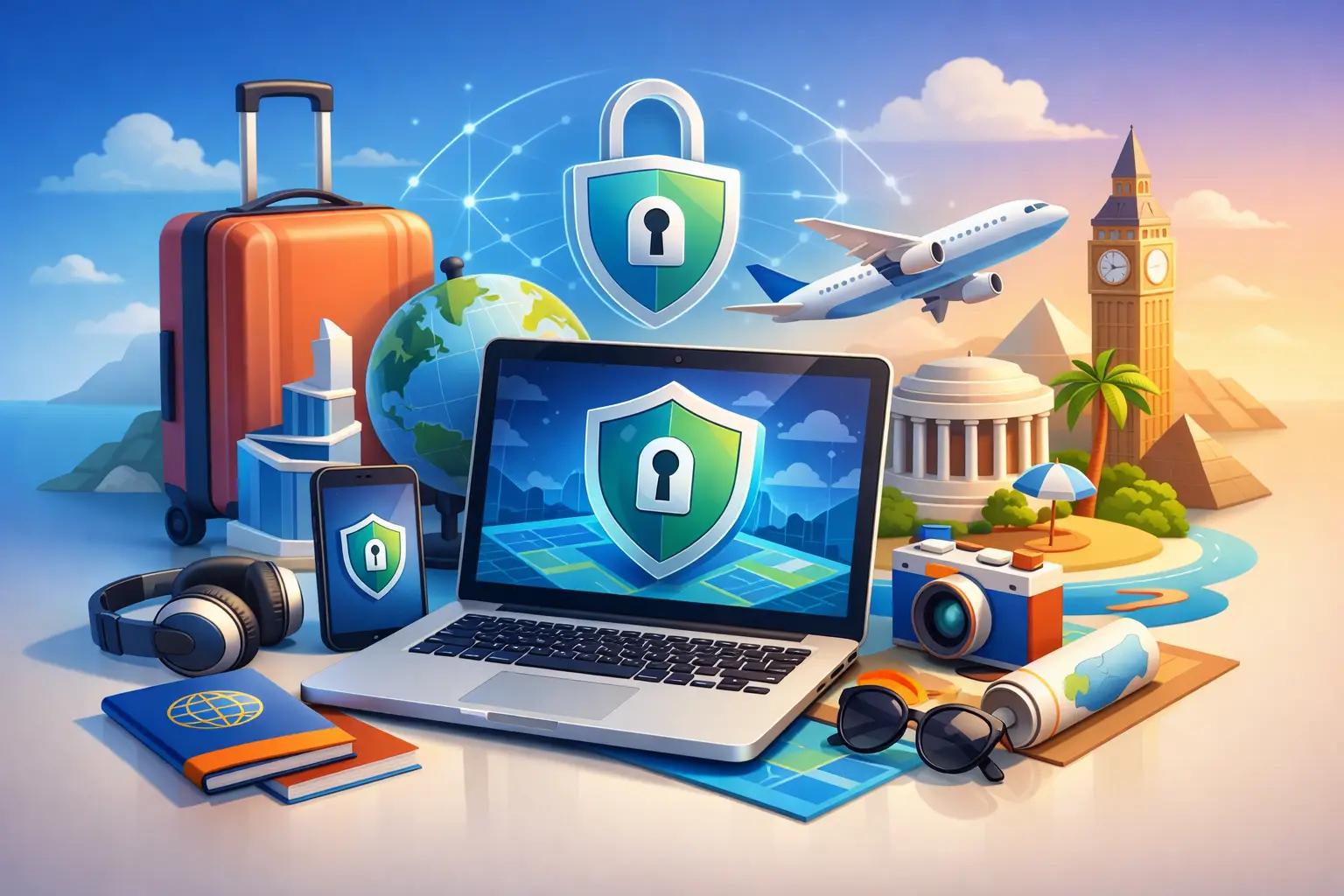
Airport Wi-Fi always looks convenient until your banking app flags a login, your work tools stall, or your favorite service suddenly says it is unavailable in this region. A good vpn for travel abroad fixes a lot of that fast. It gives you a more private connection, helps you reduce risks on unfamiliar networks, and gives you more control over how you appear online when you are moving between countries.
Why a VPN for Travel Abroad Matters
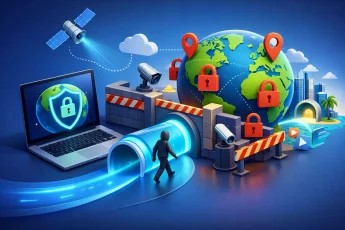
Travel changes your internet experience in ways most people do not think about until something breaks. Hotel networks are often unsecured or poorly managed. Cafes and airports are crowded with shared access points. Mobile carriers may route traffic differently than you expect, and some websites or apps react aggressively when they see a login from another country.
That creates three real problems. First, your data can be more exposed on public or weakly protected Wi-Fi. Second, your online accounts may treat you like a suspicious user because your location suddenly changed. Third, content, services, and even work platforms may be limited based on where you are.
A VPN helps by encrypting your connection and routing traffic through a server in a location you choose. That can make it harder for others on the same network to snoop on your activity. It can also give you a more consistent digital location, which is useful when you need stable access to email, work dashboards, cloud tools, or personal accounts.
What Travelers Actually Need From a VPN
Not every VPN is a good travel companion. Some are fine at home and frustrating on the road. When you are abroad, speed, reliability, and flexibility matter just as much as privacy.
Fast performance comes first. Travel already adds enough delays. If your VPN drags your connection down every time you open a laptop in a hotel lobby, you will stop using it. A travel VPN should keep browsing, streaming, messaging, and video calls moving without constant lag.
Easy setup matters too. Most travelers are juggling a phone, a laptop, maybe a tablet, and sometimes other connected devices. If protection only works well on one device at a time, that creates friction. This is where broader device coverage and simple connection options make a real difference.
Then there is location control. Sometimes you want a server close to where you are for better speeds. Other times you need a server back home so your bank, school portal, or work platform recognizes the login as normal. The best choice is a VPN that gives you both speed and control without making you troubleshoot settings every day.
The Public Wi-Fi Problem Is Bigger Than Most People Think
People often assume the risk of public Wi-Fi is limited to hackers sitting in coffee shops with special tools. The reality is less dramatic and more common. Weak network configurations, fake hotspots, shared local traffic, and poor access controls can all increase your exposure.
That does not mean every airport network is dangerous or every hotel connection is compromised. It means you should not treat unfamiliar Wi-Fi as trusted infrastructure. If you are logging into work systems, checking financial accounts, sending personal messages, or even just browsing regularly, adding encryption to that connection is a smart move.
A VPN is not magic. It will not protect you from phishing, bad passwords, or sketchy downloads. But it does add a strong layer between your device and the network you are using. For travelers, that layer matters.
Best VPN for Travel Abroad Features to Look For
The right feature set can make the difference between a VPN you rely on and one you abandon halfway through a trip. Strong encryption is the baseline, not the selling point. What really matters is how well the service fits real travel behavior.
Look for automatic server switching if you move often or deal with unstable hotel and mobile connections. This can help maintain access without forcing you to reconnect manually every time network conditions change. That is especially useful for remote professionals who jump between coworking spaces, trains, hotels, and tethered mobile hotspots.
Hotspot protection is another feature worth paying attention to. If your phone can share a VPN-protected connection with other devices, you gain a simple way to secure a laptop or tablet through one trusted connection. That is practical, fast, and far less annoying than setting up each device from scratch in a rush.
Flexible data usage also matters more than people expect. Some travelers need full-time VPN coverage for work and communication. Others want reliable protection for shorter sessions, specific apps, or occasional location switching. A service with transferable or shareable data can fit different travel patterns better than a rigid one-size-fits-all subscription.
Speed vs Privacy: The Trade-Off Is Real
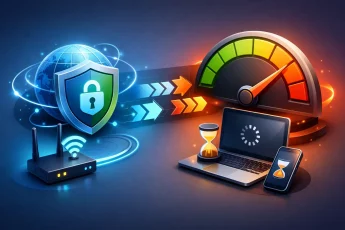
Every VPN affects performance at least a little because your traffic is being encrypted and routed through another server. The question is not whether there is an impact. The question is whether the impact is small enough that you barely notice it.
If you are sending email and browsing, almost any decent VPN may feel fine. If you are joining video calls, uploading large files, coding from a remote environment, or streaming after work, speed becomes more important. In those cases, the nearest server is often the best option for performance. But if you need to appear in a specific country, you may need to accept a slight drop in speed.
That is the real travel equation. You balance privacy, access, and performance depending on what you are doing. A good VPN gives you enough server choice and enough speed that this does not become a constant compromise.
Who Should Use a VPN When Traveling
If you work remotely, the answer is simple. You should be using a VPN abroad, especially when handling client files, internal platforms, or sensitive communication. The same applies to freelancers managing invoices, developers using cloud environments, and students accessing school systems from outside the US.
Casual travelers benefit too. If you use public Wi-Fi, log into personal accounts, stream content, or just want a more private connection while moving between networks, a VPN is worth having. You do not need to be a security expert to want more control over your internet access.
It becomes even more useful if you travel with multiple devices or share connectivity with other people. A flexible service can protect more than a single phone. That matters on family trips, business travel, and long stays abroad where your devices become your office, your entertainment system, and your connection home.
When a VPN Abroad Might Not Solve Everything
A VPN helps a lot, but it is not a universal fix. Some services actively detect and restrict VPN traffic. Some countries have tighter controls around internet access and VPN use. Some apps care less about your IP address and more about account history, device behavior, or payment region.
That means expectations matter. A VPN can improve your privacy, reduce exposure on public networks, and give you more location control. It cannot guarantee access to every service in every country under every condition.
This is also why reliability matters more than flashy marketing. Travelers need a VPN that connects quickly, stays stable, and does not make basic internet use harder than it needs to be.
Choosing a VPN for Travel Abroad Without Overcomplicating It
You do not need a networking degree to pick a strong VPN. Start with your actual travel habits. Are you mostly worried about hotel and airport Wi-Fi? Do you need access to work tools from a consistent region? Are you traveling with multiple devices? Do you want the option to protect devices through your phone hotspot instead of managing separate setups?
From there, focus on the basics that affect real-world use: speed, reliable server coverage, simple apps, strong privacy standards, and practical features for life on the move. If a service also gives you trial access or flexible data options, that lowers the risk of committing before a trip.
For travelers who want protection without friction, BexVPN fits that brief well. It is built around fast secure access, easy device coverage, and useful control features like hotspot sharing and automatic server switching. That kind of design makes sense when you are crossing borders and need your connection to keep up.
Travel exposes weak spots in your internet setup fast. The right VPN gives you one less thing to worry about, so you can focus on where you are going instead of whether your connection is working against you.

Leave a Comment